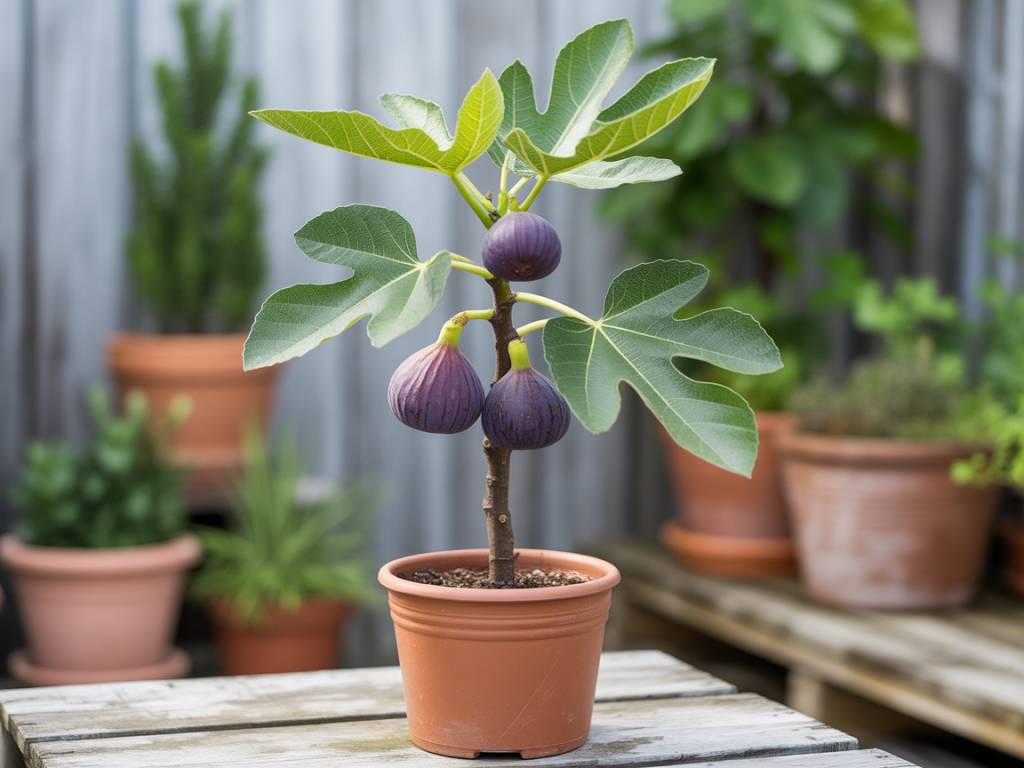
There is something quietly magical about a fig tree. Perhaps it’s the way the leaves unfold like little green hands in spring, or the honeyed perfume of a sun-warmed fruit, still warm from the afternoon light. Many people assume you need a sprawling Mediterranean garden to enjoy figs, but a single container on a balcony or a small courtyard can be enough to grow your own little slice of summer.
Let’s walk through how to grow a fig tree in pots and small gardens, so you can enjoy both the fruit and the beautiful, architectural foliage, even in the most modest outdoor space.
Choosing the right fig variety for pots
Not all figs are created equal when it comes to containers. Some varieties grow into vigorous trees, while others stay compact and are happy in a pot for many years.
Look for varieties that are:
Good options for pots and small gardens in the UK include:
If you’re mostly drawn to the sculptural leaves and shade, any of these will reward you—even if your climate or aspect doesn’t always deliver a heavy crop.
Best containers and why figs love tight shoes
Figs are slightly contrary creatures. While many fruit trees demand deep, rich soil and generous root space, figs actually fruit better when their roots are a little restricted.
For container growing, this is very good news.
Choose a pot that is:
You can even create a “root-restricting” environment in the garden by:
This gentle confinement focuses the tree’s energy on producing fruit instead of endless leafy growth.
Soil mix: what to fill the pot with
Figs like soil that is fertile but free-draining. A rich, heavy compost that stays wet will encourage root problems and fewer fruit.
A reliable mix for pots is:
Mix in a small handful of organic slow-release fertiliser at planting time. This gives your young tree a gentle, steady feed without overwhelming it.
Planting your fig in a pot
Once you have your tree and container, planting is wonderfully simple.
Step by step, think of it as tucking your fig in for a long, comfortable stay:
After planting, the tree may look a little solemn and bare if you’ve purchased it dormant or pruned. Give it time. Once warmth returns, the leaves will unfurl like green paper fans.
Where to place your fig: sun, shelter and warmth
Figs adore warmth and sun. To coax the best fruit and lush foliage, choose a position that is:
A fig against a wall doesn’t just look beautiful; the masonry absorbs daytime warmth and releases it slowly, creating a tiny microclimate. In a small space, that microclimate can mean the difference between shy fruits and an abundant harvest.
Watering wisely: not too much, not too little
A potted fig is entirely dependent on you for water, and its needs will change with the seasons.
As a general guide:
Slip a finger into the top few centimetres of compost. If it feels dry, water thoroughly. If it feels damp and cool, wait. A mulching layer of composted bark, leaf mould, or fine gravel on top of the soil helps retain moisture in summer and gives the pot a finished, decorative look.
Feeding for fruit and foliage
Figs don’t want to be overindulged with rich fertiliser, or they will respond with luxurious leafy growth and fewer figs. Think of feeding as a gentle nudge, not a feast.
You can:
In a small garden, these rituals can become a quiet seasonal rhythm: a watering can, a splash of feed, a few minutes of observation. It’s astonishing what you notice when you pause beside the same plant week after week.
Pruning and shaping for small spaces
Left entirely to its own devices, a fig can become dense and sprawling. In a small garden or on a balcony, a little thoughtful pruning keeps it elegant, airy, and productive.
In late winter or very early spring, before new growth starts:
If you grow your fig against a wall or fence, you can train it as a fan: main branches fanned out horizontally and tied to wires or trellis. This is not only beautiful, but also space-efficient and productive.
Summer pruning can also help. Pinching back the tips of very vigorous new shoots encourages branching and keeps the tree compact. Always step back and look at the overall silhouette; you’re sculpting as much as gardening.
Encouraging fruits (and keeping the right ones)
In the UK and similar climates, figs usually produce two sets of tiny fruit:
On a young or container-grown tree, it’s normal for some of the smaller figs to drop before ripening. Don’t worry; the tree is simply adjusting its ambitions to its energy levels.
To help it along:
You’ll know a fig is ready when it droops slightly, softens, and the neck becomes bendable. The skin may crack delicately, and birds will suddenly take a keen interest. If you need convincing that patience is worth it, taste one straight from the tree. No shop-bought fig can ever quite compete.
Winter care and protection in pots
Figs are surprisingly hardy, but in containers their roots are more exposed to freezing temperatures than those growing in the ground.
To help your tree through winter:
Once spring returns, remove the wrapping and watch as tiny green buds appear along the bare branches, the quiet promise of another season.
Common pests and problems (and how to stay calm)
Happily, figs are relatively tough and low-maintenance, especially in pots where you can keep a close eye on them.
Some issues you might encounter:
Most problems are solved by simply returning to the basics: sun, drainage, moderate feeding, and steady water. Figs are forgiving companions.
Styling your fig tree for foliage and atmosphere
Even if your climate offers only modest harvests, a fig tree earns its place in a small garden with its presence alone. Those large, deeply lobed leaves bring an almost tropical softness to the smallest patio.
To make the most of its decorative power:
In the evening, when light filters through the leaves, you may find yourself lingering beside the tree, brushing your hand over the foliage just to release that faint green scent. This is the quiet luxury of growing your own fig in a small space: not just the fruit, but the ritual and atmosphere it brings.
When a small fig becomes part of your home
A fig tree in a pot is more than a plant; it is a slow-growing companion that records your seasons. You drag it to a sunnier corner, wrap it tenderly in winter, celebrate the first ripe fig as if it were a minor miracle. In a tiny garden, it becomes a focal point, a piece of living sculpture that also happens to feed you.
If you have a balcony, a courtyard, or even a sunny doorstep that feels a little bare, imagine a fig there: a tall pot, generous leaves, maybe a string of lights above. House, garden, and tree begin to blur into one shared space, where indoors and outdoors speak to each other.
You don’t need acres of land—just a pot, a sunlit patch, and the patience to let a fig tree weave itself quietly into the life of your home.