Understanding Rain Garden Design for Small Urban Spaces
Rain garden design is often associated with larger residential landscapes, but the concept adapts surprisingly well to balconies, patios, rooftops, courtyards, and compact city gardens. At its core, a rain garden is a planted area designed to capture, slow, and absorb stormwater rather than letting it run off quickly into drains. In urban settings, where hard surfaces dominate and drainage can be limited, this approach offers both practical and visual benefits.
For small spaces, the goal is not to replicate a large ground-level rain garden in full scale, but to apply the same principles in a more compact and container-friendly way. That means choosing plants that tolerate occasional wet conditions, using lightweight materials where needed, and thinking carefully about how water moves through the space. The result can be a greener, more resilient outdoor area that supports water-wise living without requiring a large footprint.
Why Rain Garden Design Matters in Cities
Urban environments face a particular challenge when it rains. Concrete, paving, balconies, and sealed surfaces prevent water from soaking naturally into the ground. Instead, rainfall tends to accumulate quickly, overwhelm drainage systems, and carry pollutants into waterways. A well-planned rain garden helps reduce that runoff by temporarily holding water and allowing it to filter through soil and roots.
For homeowners and apartment dwellers, this has several advantages. It can reduce flooding around thresholds and drainage points, soften the appearance of hard-edged spaces, and create a healthier microclimate. It also supports biodiversity by providing food and shelter for pollinators and other beneficial species. Even in a small urban setting, rain garden design can make a meaningful environmental difference.
Rain Garden Ideas for Balconies
Balconies present unique constraints because they are elevated, often weight-sensitive, and usually designed with built-in drainage. Still, they can support a scaled-down version of rain garden design when planned carefully. The key is to use containers that can retain moisture without becoming excessively heavy and to position them where runoff can be captured safely.
Self-watering planters, lightweight composite pots, and layered planting containers work well on balconies. These can be grouped to create a visually cohesive planting zone that responds to rainfall and reduces the need for frequent watering. If the balcony has a drainage outlet, containers should never block it. Instead, planters can be arranged to intercept splashes or excess water while still allowing drainage to function properly.
Plant selection is especially important in this setting. Choose compact species that handle variable moisture and wind exposure, such as sedges, dwarf grasses, ferns, and compact flowering perennials. Herbs can also be used if the balcony receives enough light, especially rosemary, thyme, and chives in well-drained containers. For a rain garden feel, combine upright textures with trailing plants that spill softly over container edges.
Patio Rain Garden Design with Containers and Drainage
Patios offer more flexibility than balconies because they are usually ground-level and can accommodate larger planters, shallow basins, or integrated drainage features. A patio rain garden may not require excavation. Instead, it can be created through smart container placement and the strategic use of permeable surfaces.
One effective approach is to use a collection of large planters with varied depths. Containers can be positioned near downspouts, along patio edges, or beside areas where water tends to collect. When it rains, these planters help absorb overflow while contributing to a lush, layered planting scheme. For patios that experience moderate runoff, a narrow gravel channel or permeable strip can guide water toward planted areas rather than away from them.
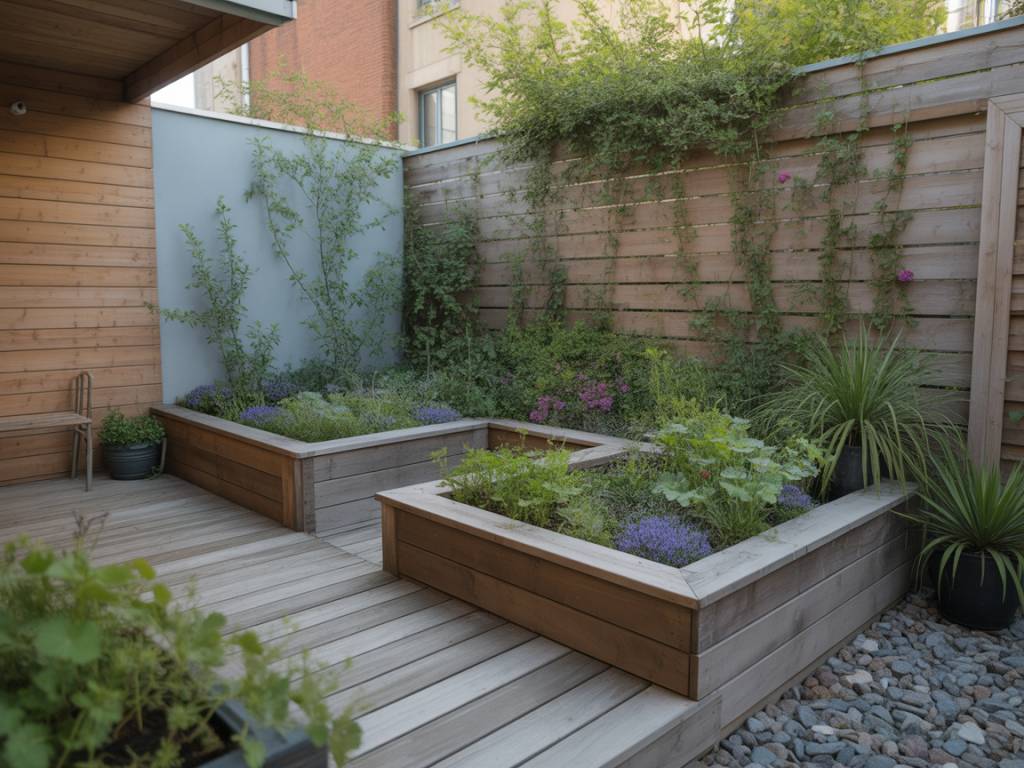
Materials matter here as well. Permeable paving, gravel, and raised beds with drainage holes can all support better water movement. If using decorative pots, make sure they have adequate drainage and place saucers only where necessary to prevent staining or overflow. A patio rain garden does not need to be highly technical. Often, the best results come from simple, well-positioned elements that work together to slow water and encourage infiltration.
Compact Garden Rain Garden Layouts for Limited Ground Space
In a small garden, rain garden design can be more closely aligned with traditional planting methods. Even a modest area can be reshaped to hold water for a short period after rainfall. The design usually begins with identifying a low spot or a place where water naturally collects. That area can then be planted more densely and amended to improve absorption.
A shallow depression, surrounded by slightly raised edges, can help direct water inward. In compact gardens, this does not need to be dramatic. A gentle basin often works better than a deep dip, especially where space is limited. Native grasses, moisture-tolerant perennials, and shrubs with fibrous root systems are ideal because they stabilize the soil and help manage repeated wet-dry cycles.
For very small plots, a rain garden can be integrated with an existing border or lawn edge. The planting bed may simply be widened and reshaped to catch roof runoff or patio overflow. In these situations, a mix of ornamental and functional planting creates visual interest while serving a practical role. Tall grasses, flowering plants, and low groundcovers can be arranged in layers to mimic the varied structure of a larger rain garden.
Best Plants for Water-Wise Rain Garden Design
The success of any rain garden depends heavily on plant selection. In small urban spaces, the best choices are those that can tolerate changing moisture levels, cope with restricted root zones, and remain attractive in containers or compact beds. Ideally, plants should thrive in conditions that are occasionally wet but not permanently saturated.
Useful plant types include sedges, rushes, compact ornamental grasses, iris, daylilies, astilbe, and many native perennials. In warmer climates, options may also include moisture-tolerant salvias, dwarf cannas, and flowering plants that support pollinators. Shrubs with manageable growth habits can add structure where space allows. Native species are often especially effective because they are adapted to local rainfall patterns and require less maintenance over time.
When designing for balconies or patios, it is wise to combine moisture-loving plants with species that appreciate well-drained conditions. This creates resilience and avoids a uniform look that can become difficult to maintain. Varying plant heights, leaf shapes, and bloom times also helps the garden stay interesting through the seasons.
Materials and Containers That Support Sustainable Water Management
In small-space rain garden design, the choice of materials influences both appearance and performance. Lightweight containers are especially important on balconies, while patios and compact gardens can accommodate heavier ceramic, stone, or recycled composite planters. Drainage holes are essential, but the surrounding materials are just as significant.
Consider using the following elements:
- Permeable paving or gravel to reduce surface runoff
- Lightweight potting mix with added compost for better water retention
- Rain barrels or collection containers connected to downspouts where possible
- Raised planters that allow excess water to drain freely
- Mulch to reduce evaporation and protect soil structure
- Tray systems or hidden reservoirs for controlled water storage in container gardens
Recycled and sustainably sourced materials are often a good fit for this type of project. They reinforce the environmental purpose of the design while giving the space a more natural, lived-in feel. For homeowners who also want decorative value, textured pots, weathered finishes, and earthy color palettes help the planting area blend into the broader architecture of the space.
Design Principles for a Small Urban Rain Garden
Small urban spaces require careful proportioning. Overcrowding can limit airflow and create maintenance problems, while too much empty space can make the design feel unfinished. A balanced rain garden should feel intentional, layered, and easy to navigate. Height, texture, and repetition are useful design tools in this context.
Grouping plants in odd numbers often creates a more natural appearance. Repeating one or two key materials, such as matching pots or similar gravel finishes, helps the eye move through the space. It also makes a small area feel more cohesive. Where possible, orient the planting zone to catch rainfall from a roof edge, balcony railing, or adjacent paved surface.
It is also useful to think in zones. The wettest area should contain plants that tolerate occasional saturation, while the outer edges can support species that prefer drier conditions. This gradient makes the planting more resilient and visually dynamic. In compact spaces, even a subtle transition from wetter to drier planting conditions can make the rain garden feel more authentic and functional.
Maintenance Tips for Long-Lasting Performance
Maintenance for a small rain garden is usually straightforward, but it should be consistent. Urban environments can introduce debris, dust, and seasonal changes that affect performance. Regular inspection ensures that drainage points remain clear and that plants stay healthy.
Basic maintenance tasks include checking for clogged drainage holes, removing fallen leaves, refreshing mulch, and trimming back overgrown plants. During dry spells, container plants may still need supplemental watering, especially in shallow planters. After heavy rain, it is helpful to observe how long water remains in the garden. If pooling lasts too long, the soil or drainage setup may need adjustment.
Seasonal care is also important. In autumn, keep the planting area clear enough that leaf buildup does not block infiltration. In spring, replace any plants that did not survive winter conditions and top up soil as needed. A small rain garden becomes more effective over time as roots establish and the planting matures.
Creating a Rain Garden That Feels Decorative as Well as Functional
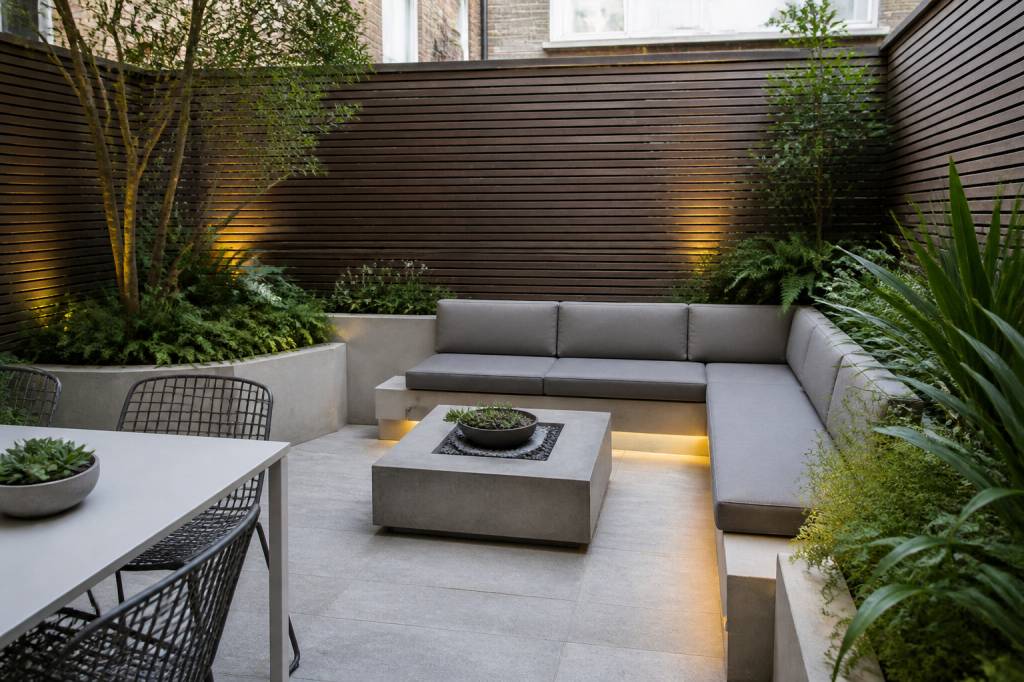
One of the most appealing aspects of rain garden design is that it does not have to look purely utilitarian. In a balcony, patio, or compact garden, the planting can be arranged to feel decorative, calming, and contemporary. A successful design often combines ecological function with a strong visual identity.
That may mean using repeated clusters of grasses for movement, pairing broad-leaved plants with fine textures, or choosing containers that echo the tones of the surrounding architecture. Water-wise planting can look highly refined when the palette is controlled and the arrangement is deliberate. Even a small number of carefully chosen plants can create a sense of abundance if they are grouped with attention to scale and form.
For readers considering products for their own space, the most useful purchases are usually those that improve water management and plant health rather than purely ornamental features. Quality planters, moisture-retentive soil mixes, gravel, mulch, and appropriately chosen plants provide the foundation. Decorative accessories can then be added to complement the overall design without interfering with function.
Making the Most of Rain Garden Design in a Small Space
Rain garden design for small urban spaces is ultimately about using limited square footage more intelligently. By capturing rainfall, supporting plant health, and softening hard surfaces, these compact gardens bring practical value to balconies, patios, and small yards. They also make urban outdoor areas feel more alive and connected to the natural cycle of water.
Whether the project involves a single planter on a balcony or a carefully shaped planting bed in a compact courtyard, the same principles apply: slow the water, guide it where it can be used effectively, and choose plants and materials that work together over time. In cities where outdoor space is often at a premium, that approach can turn even the smallest corner into a resilient and attractive rain-friendly garden.