
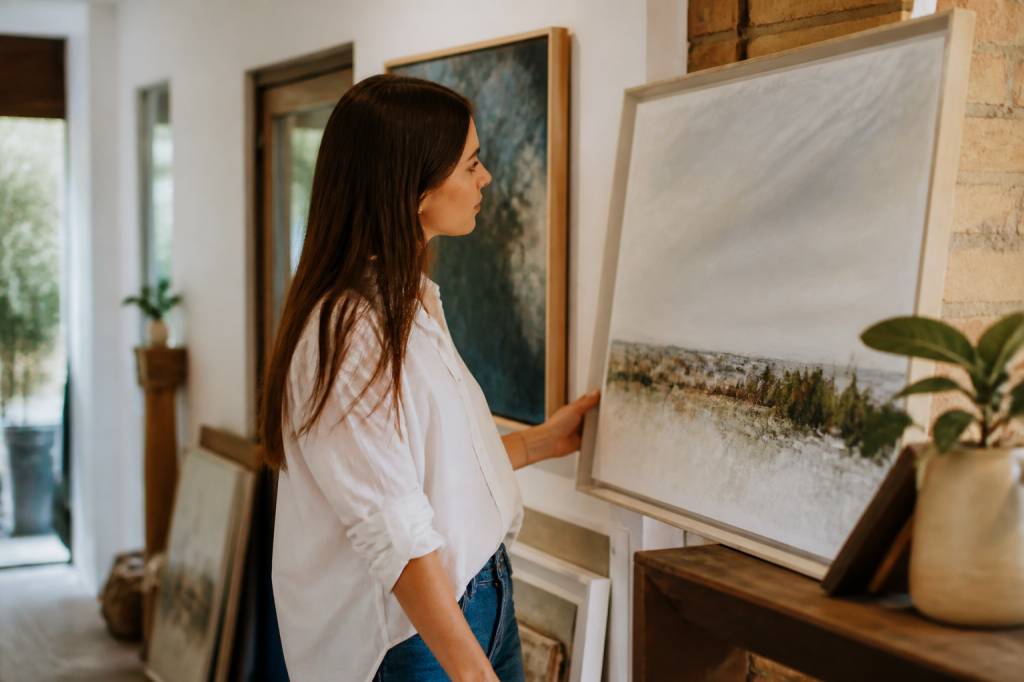
There is a particular pleasure in bringing home a piece of art that feels as though it has a story tucked inside it. Not just something beautiful to fill a blank wall, but something that carries the atmosphere of a place, the hand of a maker, and perhaps even a memory of the afternoon you found it. When you search for “artwork near me”, you are not only looking for convenience. You are opening the door to something more personal: local creativity, distinctive craftsmanship, and pieces that can make a home feel quietly, unmistakably yours.
In a world of endlessly repeated prints and mass-produced décor, local artwork has a different kind of presence. It can be imperfect in the most human way, textured, surprising, and alive. And if you’ve ever stood in front of a painting, a ceramic wall plaque, or a hand-pulled print and felt an instant connection, you already know: the right piece doesn’t just decorate a room. It changes the mood of the room.
Why local artwork feels so special
Local artwork tends to have something you can’t quite manufacture in a warehouse: a sense of place. A painter working near the coast may capture a particular light that belongs only to that stretch of shoreline. A sculptor in a city market might use reclaimed materials from the region. A printmaker may draw inspiration from wild gardens, old buildings, or the rhythm of everyday life nearby. These details matter because they root your interiors in something real.
There is also a quiet emotional value in buying close to home. You are often meeting the artist, hearing the story behind the work, and understanding the process. That exchange adds depth. Instead of simply “owning a thing,” you become part of its journey. And for a home, that kind of intimacy is hard to beat.
Local pieces can also help a room feel more layered and less staged. A handmade artwork softens a polished interior. A bold abstract from a nearby gallery can bring energy to a neutral living room. A small framed sketch from a weekend market can make a hallway feel considered rather than accidental. This is the charm of choosing with intention.
Where to look when searching for artwork near me
Finding unique local pieces is often easier than people think. The trick is knowing where to look beyond the obvious. If you’re on the hunt for artwork near you, start by exploring a mix of physical spaces and digital platforms. The best discoveries often happen somewhere in between.
- Local galleries: Independent galleries are excellent places to discover emerging and established artists. Staff are usually happy to guide you toward work that suits your taste and budget.
- Art fairs and open studios: These offer a rare chance to see a wide range of work in one place and speak directly with artists about their materials, inspiration, and methods.
- Craft markets and design fairs: Not all artwork hangs in a gallery. You may find mixed-media pieces, ceramics, textile wall hangings, and small sculptures at local markets.
- Independent cafés and community spaces: Many display and sell work by nearby artists. A coffee stop can become a surprisingly fruitful art outing.
- Social media: Instagram, Facebook groups, and even TikTok can help you discover artists in your area. Search location tags and hashtags such as your city name plus “artist” or “local art.”
- Local arts organizations and councils: These often list exhibitions, studio trails, and public art events that are easy to miss elsewhere.
If you live in or near a creative district, take time to walk around with fresh eyes. Art often appears in shop windows, co-working spaces, and temporary exhibitions. Sometimes the perfect piece is sitting quietly in a place you already pass every week.
How to search with purpose, not just curiosity
It helps to begin with a loose sense of what you want. Not a rigid brief, just a few ideas. Are you looking for a statement piece above the sofa? Something calming for a bedroom? A smaller work for a reading nook or stair landing? When you know the space, the search becomes easier and far more enjoyable.
Try asking yourself a few simple questions:
- Do I want colour, texture, or a calm neutral palette?
- Should the piece feel bold and expressive or quiet and atmospheric?
- Am I after original artwork, a limited-edition print, or a handmade object that functions as wall décor?
- What size works best for the wall or shelf I’m styling?
- Do I want the artwork to blend in or become the focal point?
There’s a small but helpful difference between buying art and choosing art for your home. A piece can be beautiful on its own and still be wrong for the space. Scale matters. So does light. A moody painting may look elegant in a bright hallway but disappear on a dark wall. A delicate line drawing may feel underwhelming above a large mantel unless it is grouped thoughtfully. Trust your eye, but measure too. Sentiment and practicality are lovely companions.
What makes a piece truly unique
Uniqueness is not always about rarity in the collector’s sense. For a home, uniqueness is often about resonance. A local piece feels special when it reflects something you value: a place, a palette, a technique, a mood. It might be an original canvas, but it could also be a monotype, a cyanotype, a woodcut, or a hand-finished print with visible brush marks. Even ceramics mounted as wall art can feel wonderfully singular.
Look for work that shows evidence of the maker’s hand. Slight irregularities are often what make a piece memorable. A textured surface, a visible pencil line, a layered glaze, a fabric edge left intentionally raw—these details give character. In a home, that character helps a room feel lived in rather than over-designed.
If you’re unsure whether a piece is truly local or handmade, ask questions. Where was it made? Is the frame custom? Is it one of a series or an original work? Artists and galleries are usually happy to explain. Asking does not make you difficult; it makes you thoughtful. And thoughtful is always in style.
How to buy local art with confidence
Buying art can feel intimidating, especially if you’re new to it. But it doesn’t need to. A good purchase is usually the result of curiosity, a bit of research, and trust in your instincts. Start with your budget and be honest about it. Many artists offer work at different price points, including smaller originals, studies, and prints.
Before buying, consider the following:
- Ask about the materials: Pigments, paper quality, wood, and finish all affect longevity.
- Check framing options: A well-chosen frame can elevate a piece, but framing can also add a significant cost.
- Clarify hanging needs: Some artworks are ready to hang; others require special mounting or hardware.
- Request provenance if needed: This is especially useful for original works or pieces you may want to insure.
- Photograph the work in its intended space: Even a quick mock-up on your phone can help you decide whether it suits the room.
And do remember: not every art purchase needs to be a grand investment. Sometimes the most beloved pieces are the ones bought for a modest price at a local fair, then cherished for years because they fit the home so naturally.
Styling local artwork throughout the home
Once you’ve found the right piece, the next pleasure is placing it well. Artwork has a remarkable way of changing how a room feels, depending on where and how it is displayed. A single work can anchor a room; a group can create rhythm; a small piece can bring intimacy to an overlooked corner.
In the living room, consider hanging one larger artwork above a sofa or sideboard. If the piece is more subtle, pair it with sculptural objects or a textured throw to give the area more presence. A gallery wall can work beautifully too, especially when mixing local prints with small drawings, photographs, or ceramics. Keep some consistency in colour or frame style so the arrangement feels harmonious rather than busy.
In the bedroom, softer imagery often works best. Landscapes, botanical sketches, abstract washes, or muted figurative pieces can create a restful atmosphere. The key is to avoid visual noise. Bedrooms benefit from calm. Let the artwork breathe.
In hallways and entryways, smaller pieces can shine. These transitional spaces are ideal for work that invites a second glance. A narrow corridor can become a miniature gallery if you hang a series of related works at eye level. It is one of the simplest ways to turn a pass-through into a moment.
For kitchens and dining areas, look for pieces that can handle a little life and movement. Bright still lifes, local landscape prints, or ceramic wall pieces can bring warmth without feeling too precious. If your dining space is near natural light, artwork with texture can be especially beautiful as the day shifts.
Supporting local artists in a meaningful way
Buying local art is not just about the finished object. It is also about supporting the ecosystem that allows creativity to flourish. Independent artists often work with limited resources, so a thoughtful purchase can have a real impact. If you love an artist’s work but are not ready to buy, there are still ways to support them.
- Follow and share their work on social media.
- Sign up for their newsletter if they have one.
- Attend exhibitions, studio open days, and local art events.
- Recommend them to friends who are looking for art for their home.
- Leave a kind review or comment if you have purchased from them before.
These small gestures help artists reach a wider audience, and they also keep local creative communities visible. A thriving local arts scene makes a neighbourhood feel richer, more varied, and more alive. That benefits everyone, even if you are only browsing with a cup of coffee in hand and no intention of buying anything at all.
Making room for art to grow with your home
One of the nicest things about choosing local artwork is that it rarely needs to be the last piece you buy. Homes evolve, as they should. A print that feels perfect in a first flat may eventually move to a study. A ceramic wall piece might begin in the kitchen and later find its place in a hallway. Art can travel with you, changing meaning as your rooms change around it.
If you’re building a collection slowly, let it unfold naturally. You do not need everything to match. In fact, the charm often lies in contrast: a vivid abstract beside a calm landscape, a framed textile next to a charcoal sketch, a rustic handmade object paired with a sleek modern lamp. These combinations create warmth and depth without feeling overworked.
Think of your home as a gentle conversation between objects, light, and memory. The right local artwork will not shout for attention. It will settle in, quietly transforming the atmosphere. It might catch the morning light in a hallway, soften a bedroom corner, or bring a little spark to a plain wall that had been waiting patiently for character.
So the next time you find yourself typing “artwork near me” into a search bar, treat it as more than a query. It is an invitation to explore your surroundings with curiosity, to support makers close to home, and to bring something genuinely personal into your space. And perhaps that is the loveliest kind of décor: not merely attractive, but connected, human, and beautifully local.