
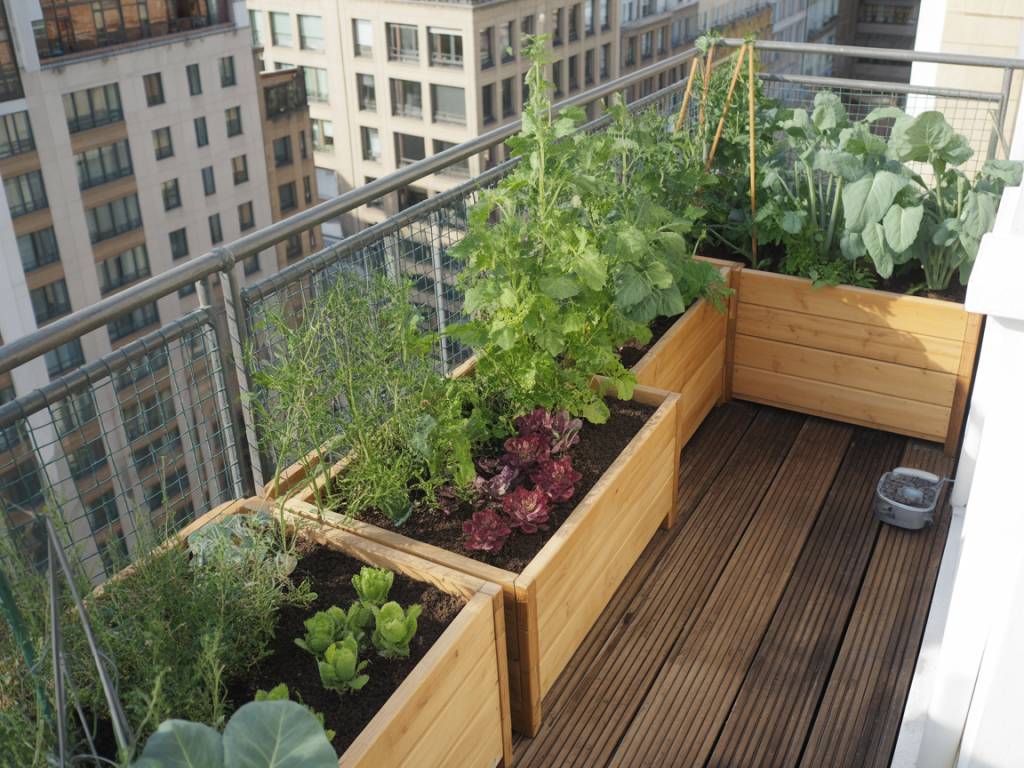
Balcony Vegetable Gardens: Benefits of Growing Your Own Food in the City
Balcony vegetable gardens are increasingly popular among city dwellers who want fresher food, more greenery, and a small daily escape from urban life. Even a modest balcony can host a surprising variety of herbs, salad greens, tomatoes, and compact fruiting plants. For renters and apartment owners alike, a well-planned balcony garden offers control over what you eat, reduces packaging waste, and creates a more pleasant outdoor space.
Urban gardening on balconies also allows you to experiment on a small scale. You can test different vegetable varieties, adjust layouts seasonally, and gradually refine what works best for your climate and lifestyle. The key is to treat your balcony like a miniature outdoor room: measure it carefully, understand its light and wind exposure, and choose containers and plants to match.
Assessing Your Balcony Space for a Vegetable Garden
Before buying soil or seeds, spend a little time observing your balcony. Not every space is ideal for every crop, but almost every balcony has potential for some kind of edible garden if you choose wisely.
Pay attention to the following factors:
- Sun exposure: Most fruiting vegetables such as tomatoes, peppers, and cucumbers need at least 6 hours of direct sun. Balconies facing south or west are usually best. North-facing balconies can still support leafy greens and many herbs that tolerate partial shade.
- Wind and microclimate: High-rise balconies can be windy, which dries out soil and stresses plants. Solid railings and corner areas are valuable for creating sheltered microclimates. In dense urban areas, reflected heat from walls and windows can extend the growing season.
- Weight limits: Containers filled with wet soil are surprisingly heavy. If you are unsure about load limits, prioritize lightweight planters, use lighter potting mixes, and avoid clustering too many large containers in one spot.
- Access to water: Consider how you will water your balcony vegetable garden. A lightweight hose connected to an indoor tap, a watering can, or a drip irrigation kit designed for balconies can make daily care much easier.
- Privacy and layout: Tall plants, trellises, or vertical planters can double as privacy screens, improving the feeling of an outdoor room while optimizing growing space.
Choosing Containers for a Balcony Vegetable Garden
Container choice is central to the success of a balcony vegetable garden. Different shapes and materials can help you make the most of limited floor space.
Common balcony container options include:
- Classic pots and planters: Terracotta, plastic, and lightweight fiberstone pots are versatile. For vegetables, depth matters more than width. Tomatoes and peppers do best in containers at least 25–30 cm deep.
- Railing planters and balcony boxes: These attach securely to balcony railings and are perfect for herbs, strawberries, and salad greens. Modern designs often have built-in water reservoirs, making maintenance easier.
- Vertical planters and wall pockets: Vertical garden systems are ideal for small balconies, allowing you to grow multiple plants in a single footprint. They are best suited to shallow-rooted crops such as lettuce, spinach, basil, and other herbs.
- Grow bags and fabric pots: These lightweight containers are easy to move and store at the end of the season. They drain well and keep roots aerated, making them a practical choice for balcony tomatoes, potatoes, and bush beans.
Whichever container you choose, ensure there are adequate drainage holes. Elevating pots slightly with feet or trays protects your balcony surface and prevents waterlogging.
Best Vegetables and Herbs for Small Balcony Gardens
Not every vegetable is well-suited to containers, but many compact varieties thrive in balcony gardens. Seed packets and plant labels often highlight “patio,” “bush,” or “compact” types, which are ideal for city balconies.
Reliable balcony vegetable choices include:
- Salad greens and leafy vegetables: Lettuce, rocket, spinach, chard, and Asian greens grow quickly and handle partial shade. They are perfect for railing planters and vertical systems.
- Balcony tomatoes: Look for cherry or dwarf tomato varieties bred for containers. They are productive, attractive, and can be grown in 10–20 liter pots with a sturdy support.
- Peppers and chilies: Most compact pepper plants do well in pots and enjoy the warmth of a sheltered balcony. They pair nicely with basil and other Mediterranean herbs.
- Herbs for balcony gardens: Basil, thyme, rosemary, parsley, mint, chives, and oregano all adapt well to containers. Herbs are forgiving, aromatic, and instantly upgrade balcony cooking.
- Climbing vegetables: Pole beans, peas, and some compact cucumbers use vertical space efficiently. With a slim trellis or netting fixed to the wall or railing, they can create a green screen that produces food and privacy.
- Root crops in containers: Round carrots, radishes, and baby beets can be grown in deeper boxes or troughs. Choose varieties specifically recommended for container or small-space cultivation.
Vertical Gardening Ideas to Save Space on a Balcony
Vertical gardening is one of the most effective strategies for a productive balcony vegetable garden. By growing upwards instead of outwards, you can harvest more food without losing floor space for seating or storage.
Consider these space-saving vertical garden ideas:
- Trellises for climbing vegetables: Attach slim trellises to your balcony wall or railing and train beans, peas, and compact cucumbers to climb. This turns a bare surface into a productive green wall.
- Stacked planters and tower gardens: Tiered containers or vertical towers allow you to grow multiple layers of herbs and greens. Some modular systems include built-in irrigation, simplifying watering.
- Hanging baskets for balcony vegetables: Hanging planters can host cherry tomatoes, strawberries, or trailing herbs, freeing up floor area and adding height to your planting scheme.
- Wall-mounted planters and pockets: Mounted panels with pockets or small pots are well-suited for lightweight herbs and salad leaves. They instantly transform a plain wall into a living pantry.
Soil, Watering, and Fertilizing for Balcony Vegetable Containers
Balcony vegetable gardens rely entirely on what you provide in containers, so soil quality and watering habits are critical. Regular garden soil is too heavy and compacts in pots; instead, use a high-quality potting mix designed for containers.
Key points for healthy balcony container soil and water management:
- Use light, well-draining potting mix: Look for mixes including compost, coconut coir or peat, and perlite. They hold moisture without becoming waterlogged and keep roots oxygenated.
- Water consistently: Containers dry out quickly, especially on sunny, windy balconies. Many balcony gardeners prefer a morning watering routine, with extra checks in the evening during heatwaves.
- Add mulch: A thin layer of straw, fine bark, or even decorative gravel on top of the soil reduces evaporation and stabilizes moisture levels.
- Fertilize regularly: Fruit-producing plants in containers deplete nutrients faster than in-ground beds. Use a slow-release organic fertilizer mixed into the potting soil and supplement with a liquid feed every 2–3 weeks during the growing season.
- Monitor drainage: Saucers under pots protect your balcony, but do not allow them to remain full of water. Empty them after heavy rain to avoid root rot.
Designing an Attractive Balcony Vegetable Garden Layout
Even if productivity is your main goal, the visual impact of your balcony vegetable garden matters. A well-designed layout turns functional planters into part of your home’s decor and makes everyday maintenance more pleasant.
Consider these balcony garden design tips:
- Create zones: Group taller vegetables and vertical structures along walls or railings, then place lower pots near seating areas. This layers views and avoids blocking light.
- Combine edible and ornamental plants: Many herbs and vegetables are attractive in their own right, but you can also mix them with flowering plants to soften the look. Calendula, marigolds, and nasturtiums add color while supporting pollinators.
- Coordinate containers: Using a limited palette of planter colors or materials helps the space look cohesive. Neutral pots with lush green foliage can make even a small balcony appear calm and ordered.
- Keep pathways clear: Ensure you can move easily to water, prune, and harvest. Overcrowded balconies are difficult to manage and less enjoyable to use.
Seasonal Care and Maintenance for Balcony Vegetable Gardens
Balcony vegetable gardens change dramatically with the seasons, especially in temperate climates. Understanding how to adapt your planting and care routine throughout the year will extend your harvest and keep the space looking inviting.
General seasonal guidelines include:
- Spring: Start with cool-season crops such as lettuce, spinach, radishes, peas, and hardy herbs. This is also the time to refresh potting soil, top up containers, and check supports and railings.
- Summer: Shift focus to warm-season vegetables like tomatoes, peppers, beans, and basil. Watering and feeding become more frequent, and some plants may require additional staking as they grow.
- Autumn: As summer crops slow down, replant empty containers with cold-tolerant greens and herbs. Many balconies can support autumn harvests well into cooler weather.
- Winter: In mild climates, hardy herbs and some leafy vegetables continue in containers. In colder regions, use the off-season to clean pots, plan new layouts, and consider protective options such as fleece or mini cloches.
Practical Tips for Productive Balcony Vegetable Gardens in the City
Urban balcony gardening involves a balance between ambition and practicality. A few straightforward habits will help you maintain a productive, manageable balcony vegetable garden.
- Start small and expand gradually: Begin with a handful of containers and a short list of reliable crops. As you learn what thrives in your specific microclimate, you can add more planters or experiment with new varieties.
- Choose low-maintenance crops for busy lifestyles: If you travel often or work long hours, prioritize hardy herbs, salad mixes, and perennials over intensive, high-maintenance plants.
- Observe and adjust: Take note of which spots are hottest, windiest, or shadiest. Moving containers even a short distance can make a big difference to plant health.
- Consider lightweight and modular systems: Stackable planters, grow bags, and compact vertical gardens allow you to reorganize the balcony quickly if you move or need to reconfigure the space.
- Stay within building regulations: Always check rules regarding railing planters, drainage, and visible structures. Safety and secure fixings are essential, especially on higher floors.
Balcony vegetable gardens demonstrate that limited space does not have to mean limited harvests. With thoughtful planning, suitable containers, and adaptable crops, even the smallest urban balcony can become a productive, attractive extension of your kitchen—providing fresh ingredients, daily greenery, and a closer connection to the food you eat.