
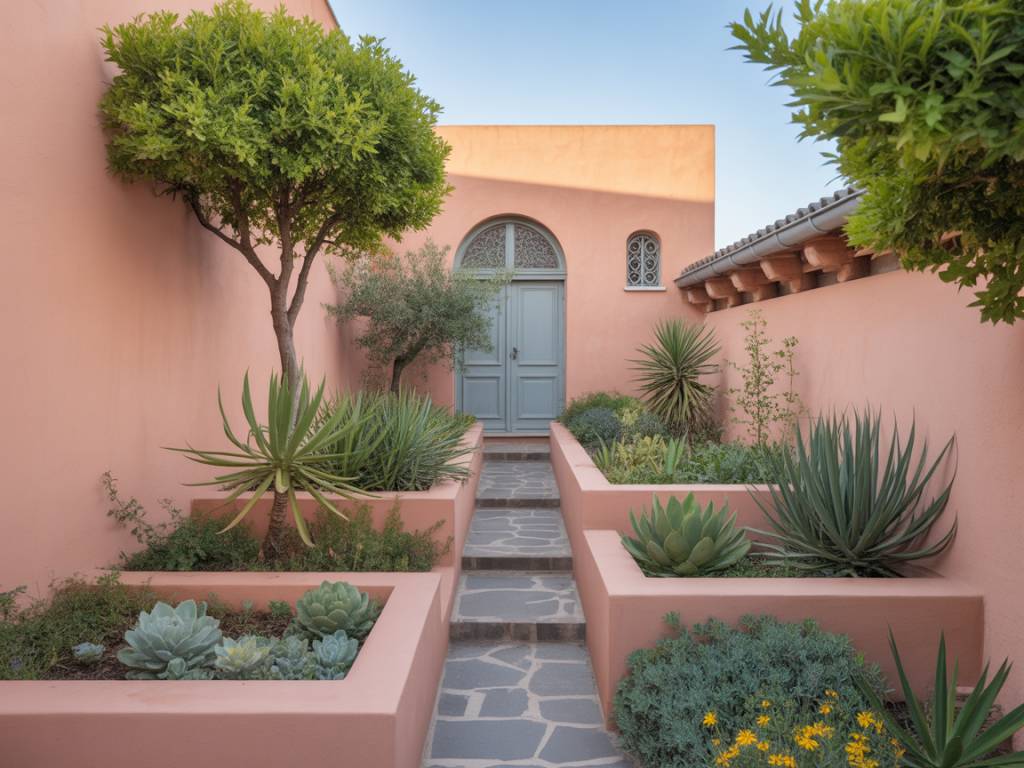
Designing a Climate-Resilient Mediterranean Garden in a Small Urban Space
A climate-resilient Mediterranean garden is increasingly appealing to urban dwellers who want outdoor spaces that are both beautiful and water-wise. Inspired by the landscapes of southern Europe and North Africa, this style of garden embraces drought-tolerant plants, permeable surfaces, and clever use of light and shade. In small urban spaces—balconies, courtyards, roof terraces, or compact backyards—a Mediterranean approach can transform even a few square meters into a calm, low-maintenance retreat that performs well under climate stress.
Designing such a garden involves a combination of thoughtful layout, careful plant selection, and smart irrigation strategies. It is as much about structure and atmosphere—sun-baked terracotta, gravel paths, and scented foliage—as it is about sustainability. The following ideas explore how to create a climate-resilient Mediterranean garden that works within the constraints of small city spaces while remaining practical for changing weather patterns and rising temperatures.
Planning a Small Urban Mediterranean Garden Layout
In a compact urban garden, every square meter matters. A Mediterranean-inspired layout emphasizes strong geometry, simple lines, and an efficient use of space. Before choosing plants or containers, it is useful to study how sun, shade, and wind move through the space during the day and across the seasons.
For a small balcony or terrace, the layout often becomes a series of zones: a spot for seating, an area for potted herbs and edibles, and a corner reserved for taller structural plants that provide shade and privacy. In a courtyard or small backyard, hard landscaping can play a larger role, with gravel beds, raised planters, and built-in benches giving form and function to the overall design.
Key planning considerations include:
- Sun exposure: Mediterranean plants generally thrive in full sun, but in urban heat islands the afternoon sun can be harsh. Group the toughest, most drought-tolerant plants in the sunniest spot and reserve partial shade for more delicate species.
- Vertical surfaces: Walls, fences, and railings are valuable real estate. Use them for climbers, wall-mounted planters, or narrow vertical trellises to add greenery without sacrificing floor space.
- Traffic flow: In tight spaces, ensure that access to seating, doorways, and storage areas remains unobstructed. Use low-growing ground covers and narrow planters along edges to avoid clutter.
Choosing Drought-Tolerant Mediterranean Plants for Urban Gardens
A climate-resilient Mediterranean garden relies on plants that are naturally adapted to dry summers, poor soils, and intense sunlight. Many of these species develop deep roots, small or silver leaves, and aromatic oils that help them conserve water. They are well-suited to modern urban conditions where water restrictions and heatwaves are increasingly common.
Classic drought-tolerant Mediterranean plants suitable for small spaces include:
- Olive (Olea europaea): A compact olive tree in a container or raised bed can provide structure and a sculptural focal point. Dwarf varieties are particularly suitable for balconies and roof terraces.
- Lavender (Lavandula angustifolia, Lavandula stoechas): Lavender offers fragrance, pollinator-friendly flowers, and silvery foliage that reflects light and heat. It thrives in well-drained, sandy soil and full sun.
- Rosemary (Rosmarinus officinalis): Both upright and trailing forms work well in containers and along edges. It is highly drought-tolerant once established and doubles as a useful culinary herb.
- Thyme, oregano, and savory: Mediterranean herbs make excellent ground covers and fill small gaps between pavers or in narrow planters, requiring minimal water and attention.
- Cistus (rock rose) and Santolina: Low, mounding shrubs with grey or silver foliage, ideal for creating texture in a small garden while remaining resilient under hot, dry conditions.
- Succulents and drought-tolerant perennials: Species such as sedum, echeveria, and some agaves fit naturally into Mediterranean-inspired compositions and perform well in shallow containers.
For urban settings where air pollution and reflected heat may be issues, looking for especially hardy varieties is essential. When possible, sourcing plants from local nurseries that specialize in dry-climate or Mediterranean species helps ensure they are acclimated to similar conditions.
Using Containers, Raised Beds, and Vertical Planters in Small Mediterranean Gardens
Limited ground space in city environments encourages creativity with containers, raised planters, and vertical gardening. A Mediterranean scheme adapts beautifully to this approach, since many of its most iconic plants thrive in pots and do not require deep, rich soils.
Terracotta pots, glazed ceramic containers, and stone troughs not only echo the material palette of Mediterranean landscapes but also help control soil conditions. In climates with intense sun, it is important to monitor how quickly clay containers dry out; grouping pots together can help create a microclimate that retains more moisture.
Strategies for container and vertical design include:
- Layering heights: Combine tall structural plants (small olive or bay trees) with mid-height shrubs (lavender, rosemary) and low-growing trailing species (thyme, creeping rosemary) to create depth.
- Vertical trellises: Use tall, slim trellises for drought-tolerant climbers such as jasmine, bougainvillea (in milder climates), or hardy grape vines to screen views and add shade.
- Wall-mounted planters: Attach shallow boxes or pockets to walls or balcony railings for herbs and small perennials, conserving floor area while increasing planting surface.
- Raised beds with gravel mulch: Building a low raised bed with free-draining soil and topping it with gravel or crushed stone reduces evaporation and highlights sculptural plant forms.
Hardscaping and Materials for a Mediterranean-Inspired, Climate-Resilient Terrace
Hardscaping plays a central role in Mediterranean gardens, especially where water is scarce. In a small urban space, the choice of ground surfaces and materials significantly affects both aesthetics and microclimate. Permeable surfaces that allow rainwater to soak into the soil are preferable to solid concrete, which retains heat and contributes to runoff.
Consider integrating:
- Gravel or decomposed granite: These surfaces echo Mediterranean pathways while improving drainage and reducing glare when paired with planting.
- Terracotta and natural stone: Clay tiles, stone pavers, and brick not only reference southern European courtyards but also store and release heat more gently than concrete, helping to moderate temperature swings.
- Light-colored surfaces: Pale pavers and walls reflect sunlight, reducing heat buildup, though they should be balanced with planting to avoid excessive glare.
- Built-in seating and planters: Benches integrated into raised beds save space and define the garden structure, leaving more of the floor area uncluttered.
The interplay between hard materials and vegetation is central to a resilient design. Plants soften edges, cast shade, and help cool surfaces, while the hardscaping provides practical, low-maintenance structure that withstands changing weather.
Water-Wise Irrigation Strategies for Drought-Tolerant Mediterranean Gardens
Even drought-tolerant plants need water to establish their root systems, particularly in containers where soil volume is limited. The goal in a climate-resilient Mediterranean garden is to use water efficiently, with minimal waste and evaporation.
Effective low-water strategies include:
- Drip irrigation: A simple drip system, connected to a timer, delivers water directly to the root zone, reducing evaporation and runoff. It is especially useful on balconies and roof terraces where manual watering may be irregular.
- Self-watering containers: Pots with built-in reservoirs provide a buffer during heatwaves, keeping soil moisture more stable without excessive watering.
- Mulching: A layer of gravel, crushed stone, or coarse bark over the soil greatly reduces evaporation and helps maintain more even soil temperatures.
- Capturing rainwater: Where regulations allow, small rain barrels or storage tanks can be integrated into the design to support hand-watering during dry spells.
Over time, it is advisable to reduce watering frequency gradually, encouraging plants to develop deeper, more resilient root systems. Grouping species with similar water needs in the same containers or beds also simplifies maintenance and prevents overwatering of drought-tolerant plants.
Creating Shade, Shelter, and Microclimates in Small Urban Mediterranean Gardens
Urban gardens are often exposed to reflected heat from walls, glass, and paving. A Mediterranean-style design can address this through the intentional creation of shade and microclimates. Rather than attempting to cool the entire outdoor area, the aim is to shape a few comfortable pockets where plants and people can both thrive.
Design tactics for shade and shelter include:
- Pergolas and shade sails: Lightweight structures over seating or planting areas provide essential relief from midday sun. They can be combined with climbers such as jasmine or grape vines for additional cooling.
- Strategic tree placement: Even in a small space, a single well-positioned potted tree can cast valuable shade and reduce glare from bright surfaces.
- Wind protection: In exposed balconies or rooftop gardens, windbreak panels, trellises, or dense planting along the perimeter help reduce moisture loss caused by constant air movement.
- Reflective and absorbent surfaces: Balancing light-colored walls with dense planting reduces both heat buildup and visual harshness, creating more balanced microclimates for plants.
Styling and Accessorising a Mediterranean-Inspired Small Urban Garden
Beyond the functional aspects of drought-tolerant planting and water-wise irrigation, a Mediterranean garden carries a distinct visual language. Even in a limited urban footprint, textures, colors, and simple accessories can evoke the atmosphere of a courtyard in Spain, Italy, or Greece.
Decorative elements that work well in climate-resilient Mediterranean gardens include:
- Natural materials: Woven chairs, wooden benches, and linen or cotton outdoor textiles complement terracotta and stone surfaces.
- Warm color palette: Ochres, terracotta reds, olive greens, and creamy whites reflect the tones of traditional Mediterranean architecture and landscapes.
- Ceramic accents: Patterned tiles, glazed pots, or simple ceramic lanterns add visual interest without requiring extra maintenance.
- Subtle lighting: Low-level solar or LED lighting extends the use of the space into the evening without overwhelming the calm, understated aesthetic.
By aligning the decorative scheme with climate-conscious choices—durable materials, low-maintenance finishes, and long-lasting furniture—the garden retains its character throughout changing seasons and weather extremes.
A climate-resilient Mediterranean garden in a small urban space combines practical drought-tolerant design with an atmosphere of calm and warmth. Through careful planning, appropriate plant selection, and thoughtful use of materials, even a compact balcony or courtyard can become a resilient haven that responds intelligently to the pressures of modern urban climates.