
Creative Upcycling Ideas for Garden Decor and Sustainable Outdoor Accents
Transforming a garden with creative upcycling is as much about imagination as it is about sustainability. Instead of purchasing new decorative items, many homeowners are turning to everyday objects and giving them a second life outdoors. From vintage kitchenware to worn-out furniture, these materials can become unique, eco-friendly garden decor and eye-catching outdoor accents that add personality without adding to landfill.
Upcycled garden decor also tells a story: each piece carries traces of its former function, adding depth and character to patios, balconies, and backyard spaces. Whether you enjoy DIY projects or prefer simple, low-effort ideas, there are countless ways to experiment with repurposed materials and create a more sustainable garden.
Upcycling Everyday Containers into Garden Planters
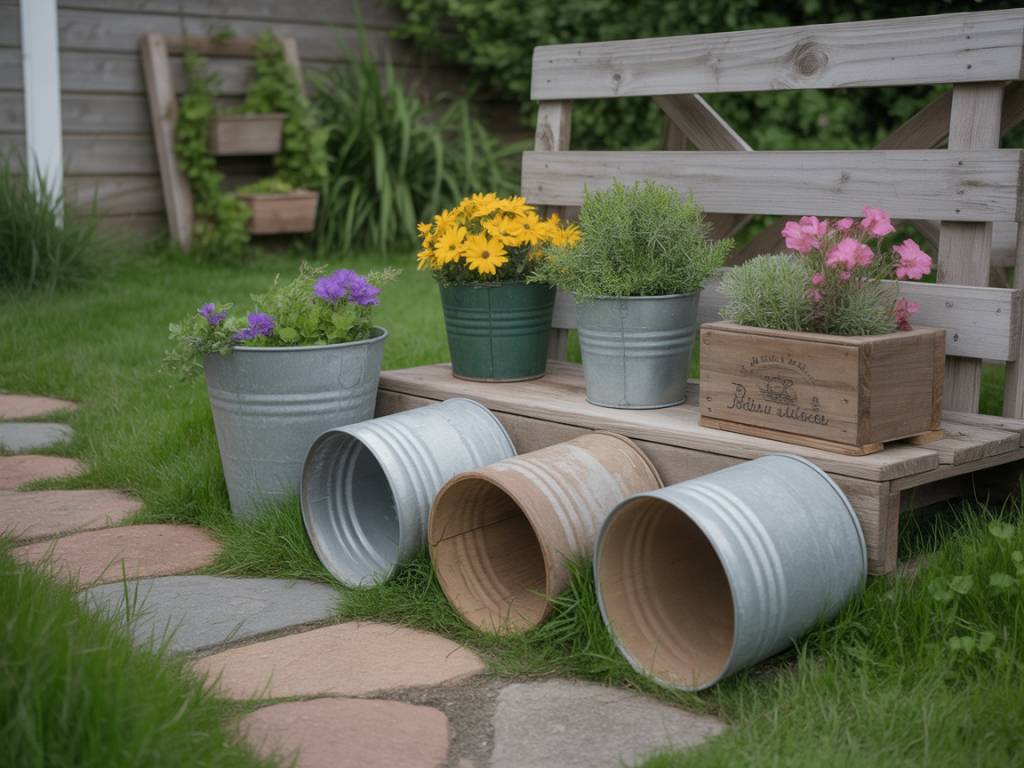
One of the easiest ways to embrace creative upcycling in the garden is by transforming everyday containers into distinctive planters. Old items that might otherwise be discarded can host herbs, flowers, or succulents, bringing charm and originality to your outdoor spaces.
Some of the most popular and practical upcycled planter ideas include:
- Vintage tins and metal cans: Coffee tins, cookie boxes, and food cans can be cleaned, painted, and drilled with drainage holes. Their compact size makes them ideal for balconies, window sills, or vertical gardens.
- Teapots, mugs, and kitchen bowls: Cracked or mismatched crockery can be used as planters for small flowers or succulents. Their patterns and colors add a whimsical, cottage-style look to the garden.
- Wooden crates and wine boxes: Lined with landscape fabric, wooden crates can become rustic herb gardens. Their rectangular shape fits neatly along fences, decks, or under windows.
- Old boots and shoes: Worn-out boots or clogs offer excellent drainage and a quirky decorative touch. They work particularly well filled with trailing plants placed on steps or near the front door.
When repurposing containers as garden decor, it is important to ensure proper drainage and choose plants suited to the size and depth of each vessel. A thin layer of gravel under the soil can help prevent roots from becoming waterlogged.
Repurposed Furniture as Creative Garden Decor
Old indoor furniture, once retired from the living room or bedroom, can gain a second life as a focal point in the garden. These larger pieces bring a sense of structure and surprise, turning functional objects into sculptural outdoor accents.
Several types of furniture lend themselves particularly well to upcycling outdoors:
- Chairs and benches: A wooden chair with a broken seat can be fitted with a planter box or basket where the cushion once sat. Benches can host potted plants along the slats or serve as a display platform for smaller decorative items.
- Dressers and sideboards: Drawers can be partially opened and filled with soil, then planted with cascading flowers. Over time, the piece develops a romantic, weathered appearance that blends beautifully with greenery.
- Ladders: An old wooden ladder can become a vertical garden. Planks or trays placed across the rungs provide surfaces for potted herbs, lanterns, or outdoor candles. This option is ideal for small gardens where space is limited.
- Coffee tables and side tables: With a coat of outdoor paint and a sturdy sealant, old tables can be used to elevate planters, create an outdoor bar, or support bird feeders and lanterns.
To make repurposed furniture last longer in the garden, it is advisable to sand rough edges, treat wood with exterior-grade finishes, and use rust-resistant paint on metal pieces. This extra preparation helps protect your upcycled decor from moisture and sunlight.
Turning Glass Bottles and Jars into Eco-Friendly Outdoor Accents
Glass bottles and jars are commonplace household items that can be transformed into luminous and colorful garden features. Their transparency and ability to capture light make them particularly effective in outdoor settings.
There are numerous ways to use glass creatively in sustainable garden decor:
- Bottle borders and edging: Glass bottles can be sunk neck-down into the soil to define garden beds or paths. Alternating colors and heights creates a varied, eye-catching border.
- Hanging lanterns and tealight holders: Jars and small bottles can be fitted with wire handles, then hung from tree branches or pergolas with tealights or fairy lights inside.
- Wind chimes and mobiles: Cut or broken glass pieces, when safely sanded and strung, can be combined with metal or wood to create decorative wind chimes that catch light and sound.
- Water features: Grouped bottles or jars can be integrated into a simple water fountain, where trickling water flows over or through the glass, producing gentle reflections and sound.
Safety is important when working with glass: ensure edges are smoothed or kept out of reach, particularly in gardens where children or pets are present. For lighting, consider solar-powered LED options to maintain an energy-efficient, sustainable garden.
Upcycled Metal and Wood for Artistic Garden Sculptures
For those interested in bolder statements, upcycled metal and reclaimed wood can be assembled into one-of-a-kind garden sculptures. These pieces often become conversation starters and permanent fixtures in an outdoor landscape.
Common materials for DIY garden art include:
- Old tools and hardware: Spades, rakes, and wrenches can be welded or bolted together to form animal shapes, abstract figures, or decorative trellises.
- Rusty metal sheets and grids: Leftover metal panels can be cut into shapes such as leaves or birds, mounted on stakes, or attached to fences as wall art.
- Reclaimed timber and pallets: Sections of old pallets or beams can be carved, painted, or arranged into geometric structures, signs, or rustic outdoor screens.
- Bicycle parts and machinery: Wheels and gears can be layered to create kinetic sculptures that move gently with the wind.
Working with metal and wood often requires specific tools and safety gear, but even simple projects—such as stacking offcuts into totems or using reclaimed boards as plant labels—can add a crafted feel to the garden decor. By choosing durable materials, these sustainable accents can remain outdoors year-round, changing slowly with weather and seasons.
Creative Upcycling for Vertical Garden Decor and Small Spaces
Vertical gardens are especially popular in urban environments, where balconies, patios, and shared courtyards provide limited floor space. Upcycling allows you to build these vertical structures at low cost while enhancing sustainability.
Some effective ideas for vertical upcycled garden decor include:
- Hanging shoe organizers: Fabric shoe organizers, when lined with plastic and filled with soil, can become compact herb gardens hung against a wall or fence.
- Gutters and pipes: Discarded sections of guttering can be cleaned, capped at the ends, and mounted horizontally as planters for strawberries or trailing plants.
- Pallet walls: An upright wooden pallet can hold rows of small pots or fabric pockets, turning a blank wall into a dense tapestry of greenery.
- Wire grids and old bed frames: Metal grids can function as trellises for climbing plants or support for hanging containers, adding height without taking up much ground space.
Vertical upcycling solutions not only maximize the use of small outdoor areas, they also help insulate walls, provide privacy, and bring nature closer to windows and seating zones.
Practical Tips for Safe and Sustainable Garden Upcycling
While creative upcycling invites experimentation, a few basic guidelines help ensure that your garden decor remains both safe and environmentally responsible.
- Avoid harmful materials: Steer clear of containers that have stored chemicals or toxic substances. When in doubt, do not use them for planting edibles.
- Use exterior-grade paints and finishes: Choose low-VOC outdoor products that can withstand moisture and sunlight without peeling or leaching into the soil.
- Plan for drainage and water flow: Drill holes, add gravel layers, and consider how rainwater will move through or around each piece of decor.
- Consider local climate: Some upcycled materials weather beautifully, while others may deteriorate quickly in humid or very sunny conditions. Opt for hardy options like treated wood, metal, and thick glass where exposure is intense.
- Balance style with functionality: While artistic arrangements are appealing, ensure that pathways remain clear, structures are stable, and sharp edges are covered or out of reach.
By paying attention to these details, your upcycled garden decor will not only look original, but also perform reliably over time and respect the natural environment.
Building a Personal, Sustainable Garden Style with Upcycled Decor
Incorporating upcycled elements into garden decor is ultimately about personal expression and thoughtful resource use. Everyday objects—once destined for disposal—can become lanterns, planters, sculptures, or supports that reflect your aesthetic and values. Over time, these sustainable outdoor accents form a cohesive narrative: a garden shaped by creativity, memory, and care for the planet.
Whether you decide to start with a single repurposed planter or redesign an entire corner with reclaimed furniture and glass, the process of upcycling encourages you to look differently at the objects around you. Each project, however modest, contributes to reducing waste and cultivating a more meaningful relationship with your outdoor space.