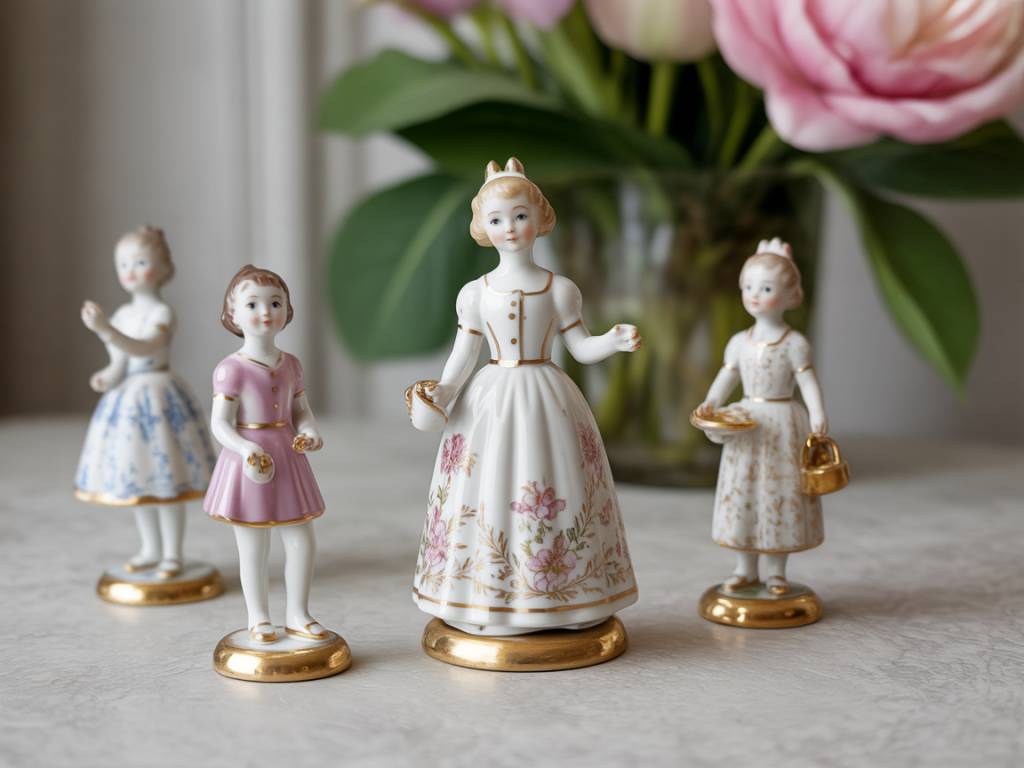
There is something quietly disarming about a tiny porcelain teapot resting on a mantel, or a miniature perfume bottle glowing softly on a nightstand. It doesn’t shout for attention; it simply waits to be noticed. Limoges porcelain miniatures belong to cette famille-là — the pieces you discover almost by accident, and then cannot imagine your home without.
Today, let’s wander together into the delicate world of Limoges France porcelain miniatures: how to recognise them, how to collect them with intention, and above all, how to style them so they feel at home in your home.
The timeless allure of Limoges porcelain miniatures
Limoges is not a brand; it’s a place. This city in central France has been known since the 18th century for its fine kaolin clay and porcelain workshops. When a piece is stamped “Limoges France”, it should mean it was made in or around Limoges, using local porcelain and traditional methods.
Miniatures are a particularly enchanting chapter of this story. Think of:
- Thimble-sized teapots with gilded handles
- Miniature boxes shaped like books, macarons or tiny hatboxes
- Diminutive vases, jugs, shoes, cradles or animal figurines
- Small hinged “trinket boxes” that open to reveal hand-painted surprises
They were historically gifted as tokens of affection, souvenirs of travels, or little luxuries to sit on a lady’s dressing table. Today, they slip effortlessly into modern interiors — from pared-back Scandinavian shelves to more eclectic, maximalist corners — adding a layer of charm that feels personal rather than staged.
What makes them so irresistible in decor is their scale: just large enough to catch the eye, yet small enough to tuck into a bookshelf, a bathroom nook, or a windowsill. They invite you to come closer, to lean in, to notice the details.
What makes a true Limoges miniature?
Before we start arranging mini vases and tiny teacups on your shelves, it’s helpful to understand what you’re actually looking at. Not every white porcelain miniature with a French-sounding name is authentic Limoges.
Here are key markers to look for when identifying genuine Limoges porcelain miniatures:
- The mark on the underside
Turn the piece upside down. You should see markings such as “Limoges France”, sometimes combined with a factory or decorator’s name (e.g., “Peint Main Limoges France”). The exact style of the backstamp can vary, but it should clearly reference Limoges and France, not “style Limoges” or similar. - “Peint main” vs. transfer prints
Many Limoges miniatures are hand-painted (“peint main”). You’ll see slight variations in the brushstrokes, small irregularities in the lines, and a certain softness in the details. Transfer or decal designs are more uniform and perfect – not necessarily bad, but usually less valuable and less unique. - Quality of the porcelain
True Limoges porcelain feels refined and smooth, with a certain translucency when held to the light. It should not feel chalky or overly heavy. Gilding (gold details) should be clean and deliberate, not clumsy or smudged. - Precision of hinges and metalwork
For trinket boxes and hinged pieces, the metalwork is part of the charm. The clasp should open and close cleanly, with the hinges well aligned. Older pieces may show gentle wear, but not crude soldering or misaligned closures.
No need to become an expert overnight. Part of the pleasure is letting your eye learn slowly, noticing what feels refined versus what feels approximate. Over time, you’ll find yourself spotting quality even at a distance on a crowded market table.
Starting (or refining) your collection
You don’t need a glass cabinet packed with porcelain to call yourself a collector. Sometimes three carefully chosen miniatures tell a more beautiful story than thirty random ones. The secret is intention.
Consider choosing a loose theme to guide your collection, such as:
- Everyday rituals – mini teapots, cups, jugs, sugar bowls, or tiny bread baskets that echo a love of slow breakfasts or afternoon tea.
- Travel memories – pieces reminiscent of places you’ve visited: a miniature suitcase, a Parisian street scene, a tiny boat or lighthouse.
- Nature and garden – small vases with painted flowers, birds, butterflies, fruit motifs, or little porcelain planters for dried stems.
- Storybook charm – animals, carriages, tiny books, shoes or cradles that look as though they’ve escaped from a fairy tale.
Once you have a vague direction, you can start choosing pieces more thoughtfully.
Where to find Limoges miniatures
- Antique shops and brocantes
In France, brocantes and vide-greniers are treasure troves. Elsewhere, look for antique markets, vintage shops, or fairs. Bring a small magnifying glass if you like; nobody will judge. - Online auctions and specialist sites
Platforms like eBay, Etsy or specialised porcelain dealers often list Limoges miniatures. Read descriptions carefully, ask for photos of the mark, and compare prices across multiple listings. - Estate sales
Estate and downsizing sales sometimes reveal little clusters of miniatures: a forgotten group from someone’s dressing table, or a collection brought back from long-ago travels.
Questions to ask (yourself or the seller)
- Is the piece free from cracks, chips or hairline fractures?
- Is the gilding intact, or charmingly worn in a way that suits you?
- Is the backstamp clear and legible?
- Does this miniature add something to my collection, or is it just “more of the same”?
It can be tempting to scoop up every affordable piece you see. Instead, imagine each miniature already placed somewhere in your home. If you can’t picture where it will live, it’s perhaps not the right one… at least for now.
Caring for delicate treasures
Limoges porcelain is fine, but not fragile in the way of glass filigree. It’s sturdy enough for daily life, provided you treat it with the same gentleness you’d offer a favourite teacup.
Basic care tips
- Dusting – Use a soft, dry brush (a clean makeup brush is perfect) or a microfiber cloth. Avoid strong pressure on delicate protruding parts like handles, spouts or figurine tails.
- Cleaning – If needed, wash by hand in lukewarm water with a drop of mild dish soap. Avoid soaking pieces with metal hinges or clasps. Rinse gently and let them air-dry on a soft towel.
- Avoid temperature shocks – Don’t place them near radiators, stoves or in direct sunlight for prolonged periods. Sudden temperature changes can stress the porcelain and fade the decoration.
- Safe storage – If you rotate your decor seasonally, wrap each miniature individually in acid-free tissue and store in a padded box. Label the box so your future self doesn’t have to rummage through everything to find “that tiny teapot”.
Homes with children and pets
Porcelain and playful paws (or curious little hands) are not natural allies. That doesn’t mean you must hide everything away. Simply style your miniatures:
- Above eye level for small children
- Inside glass-front cabinets
- On shelves that are not used as cat highways
Think of them as the jewels of your home: visible, but not in harm’s way.
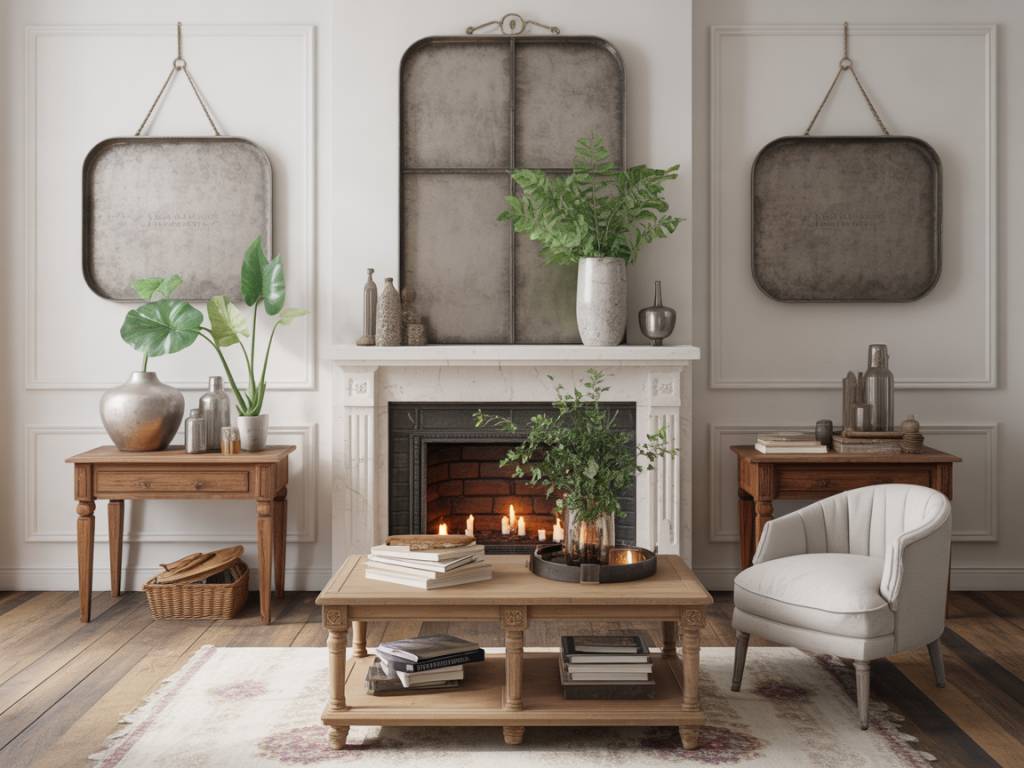
Styling Limoges miniatures in a modern home
Limoges porcelain might conjure images of traditional parlours and heavy curtains, yet these miniatures can feel wonderfully fresh in contemporary spaces. The key is how you group them and the context you create around them.
Creating small vignettes
Rather than scattering miniatures randomly, gather them into intentional vignettes. A vignette is simply a tiny “scene” – an arrangement with a quiet narrative.
- On a console table
Layer a small stack of books, place a miniature Limoges teapot on top, add a slender candle and a sprig of eucalyptus in a tiny vase. The result feels curated rather than cluttered. - On a bedside table
Pair a tiny Limoges box with a candle and your current book. You might keep earplugs or a folded note inside the box – a practical touch hidden inside something beautiful. - On a windowsill
Line up two or three small vases or figurines where they can catch the changing light. Avoid long rows; think in groups of two or three to keep the eye engaged.
Mixing styles without visual noise
Limoges miniatures sit happily among other objects, but they appreciate a little breathing space. To avoid a fussy effect, try to:
- Keep to a restrained colour palette – for example, white and gold with one accent colour.
- Vary heights: a little stack of books, a small frame, a miniature on a low stand.
- Anchor them on a tray or shallow dish, so the grouping reads as one whole rather than scattered pieces.
In open shelving and bookcases
Bookshelves are perfect stages for miniatures. Slip them in where the eye expects only books and you create a small element of surprise.
- Perch a tiny teapot on a horizontal stack of novels.
- Place a miniature vase in front of a row of books, with a dried bloom or feather inside.
- Use a porcelain box as a discreet storage spot for paperclips, USB drives or spare keys.
Try to alternate between “functional” shelves (book-heavy) and “breathing” shelves (more decorative), so your miniatures have space to shine.
Under glass: cloches and cabinets
If you love the idea of a petite museum at home, a glass cloche or a small cabinet can be magical.
- Arrange three or four related miniatures (for example, floral-themed pieces) under a glass dome on a sideboard.
- In a glass-front cabinet, dedicate one shelf to your porcelain miniatures, with a soft LED strip above to highlight them in the evening.
- On a mantelpiece, use two small glass cloches on either side of a mirror, each sheltering a single, cherished piece.
Glass not only protects but also intensifies the sense of preciousness — a reminder, every time you pass, to slow down and look.
Bringing them into everyday rituals
The prettiest miniatures are the ones that participate in your life, not just sit apart from it.
- Tea and coffee corners – Place a miniature teapot or sugar bowl beside your real tea set, echoing your ritual in a tiny, playful way.
- Desk or workspace – A Limoges box can hold paperclips or your favourite ring while you type. A little figurine can act as a gentle focal point during moments of pause.
- Bathroom sanctuary – On a bathroom shelf, a porcelain miniature can hold cotton buds or a rolled-up ring when you wash your hands. Pair it with a soft hand towel and a small plant for a spa-like corner.
These practical touches ensure your pieces feel like companions rather than museum objects.
Decorating small spaces with small-scale treasures
In compact apartments or city homes, scale is everything. Oversized pieces can feel overwhelming, but tiny porcelain miniatures are perfectly at ease.
Vertical displays
- Use narrow wall-mounted shelves or picture ledges to create a “gallery” of miniatures.
- Place them in front of small framed prints or postcards for depth and context.
- Alternate porcelain pieces with small plants (like trailing ivy) to keep the arrangement lively.
Layering without clutter
When space is limited, each object needs to justify its place.
- Pair a single miniature with one or two supporting objects (a candle + a book, a plant + a small frame), not an entire crowd.
- Choose miniatures that echo your existing colour scheme so they blend in harmoniously.
- Rotate pieces seasonally, keeping only your favourites on display and storing the rest carefully.
In a studio or tiny living room, a handful of Limoges miniatures can add luxury without taking up more than a few square inches of surface.
Letting your collection tell your story
Ultimately, porcelain miniatures are not about porcelain at all; they are about you. The ones you choose, the way you place them, the stories they carry — a teapot from a Paris trip, a gift from a grandparent, a flea-market discovery on a rainy holiday — all of this slowly writes itself into your home.
If you’re just starting, let yourself be guided by a simple question: does this piece make me want to reach out and touch it? If the answer is yes, there is probably room for it on a shelf, a windowsill, or a bedside table somewhere in your life.
Limoges France porcelain miniatures ask very little of us: a dusting now and then, a safe perch, a slice of light. In return, they offer moments of quiet beauty. The kind you notice while passing with a cup of tea in your hand, and that, for no grand reason at all, makes the house feel softer, gentler, more like home.