
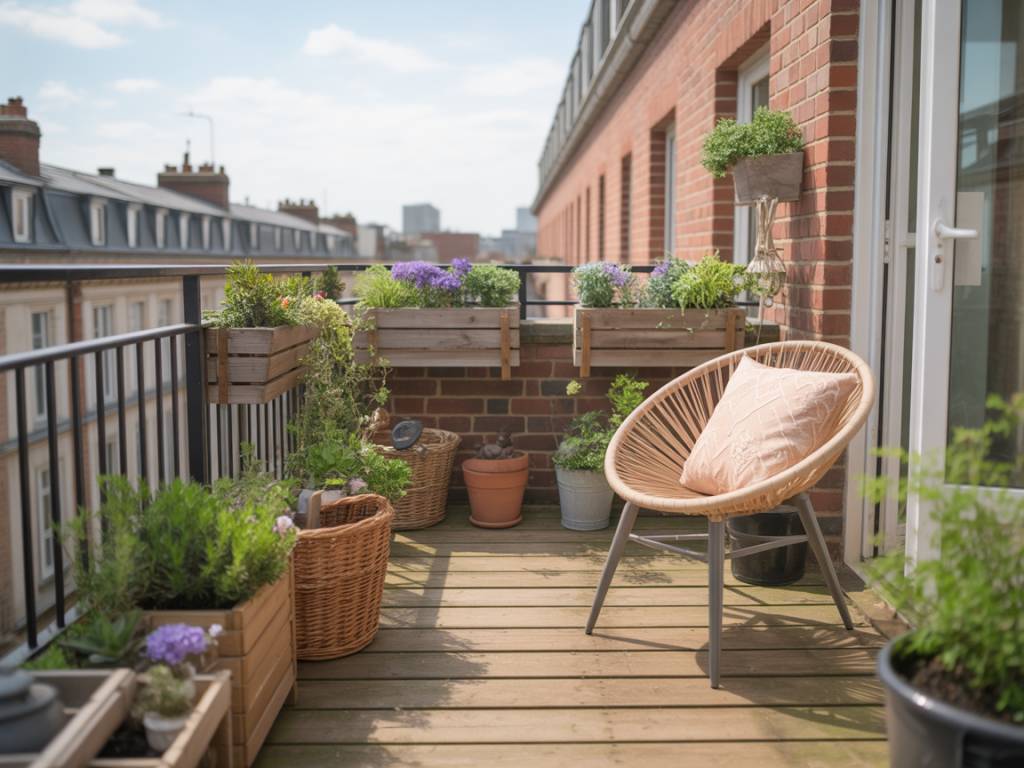
Sustainable Spring Balcony Makeover: Eco-Friendly Vision for Tiny Urban Outdoor Spaces
Spring is often the moment when city dwellers rediscover their balconies. Even the smallest urban outdoor space can become a calming micro-oasis, and a sustainable spring balcony makeover is an opportunity to do this with a light environmental footprint. By choosing eco-friendly materials, plants, and accessories, a tiny balcony can feel both refreshing and responsible, without sacrificing style or comfort.
This guide explores practical styling ideas for tiny urban balconies, focusing on sustainable choices that work within restricted space, limited light, and the constraints of apartment living. From recycled furniture and low-impact textiles to vertical gardens and energy-efficient lighting, each element can contribute to a more considered, nature-friendly balcony design.
Planning a Sustainable Spring Balcony Makeover in a Tiny Space
Before purchasing new items or rearranging furniture, a sustainable spring balcony makeover starts with analysis and planning. Measuring, decluttering, and understanding your balcony’s orientation are crucial steps, especially when working with a small footprint.
Ask yourself how you want to use this tiny outdoor space: a quiet reading corner, a compact dining area, a mini urban garden, or a mix of all three. Defining the main purpose will help you select furniture and décor more carefully, reducing impulse purchases and avoiding waste.
- Measure precisely: Note the exact depth, width, and any awkward corners or railings that may affect layout.
- Observe sunlight: Check where and when direct sun hits the balcony in spring and summer to guide plant choices and furniture placement.
- Audit what you own: Identify which items can be repaired, repainted, or repurposed instead of being replaced.
- Set sustainable priorities: Decide what matters most: recycled materials, low-maintenance plants, ethical textiles, or all of the above.
This initial phase may feel theoretical, but it is one of the most effective ways to create a compact, eco-friendly outdoor space that you will actually use and maintain throughout the season.
Eco-Friendly Balcony Furniture: Compact, Durable, and Recycled
Furniture often occupies the bulk of a tiny balcony’s surface, so eco-friendly choices here have a strong design and environmental impact. Opt for compact, multi-functional pieces in recycled or responsibly sourced materials to keep your spring balcony makeover both stylish and sustainable.
- Recycled and reclaimed materials: Look for balcony tables and chairs made from recycled plastic, reclaimed wood, or metal with a high recycled content. These options reduce demand for virgin materials and usually offer good durability for outdoor use.
- Foldable and stackable designs: Space-saving bistro sets, nesting tables, or foldable chairs allow flexibility. You can easily clear the floor for yoga, gardening, or drying laundry when needed.
- Refurbished vintage pieces: Second-hand furniture from thrift shops or online marketplaces can be sanded, repainted with low-VOC outdoor paint, and given a new life on the balcony.
- Built-in benches with storage: In tiny urban outdoor spaces, a narrow bench with internal storage can hold gardening tools, cushions, and lanterns while providing seating along one wall.
When selecting materials, FSC-certified wood, powder-coated metal, or recycled plastic composites tend to offer good durability outdoors. Covering or storing furniture when not in use will help extend its lifespan, which is a key component of sustainable styling.
Natural and Recycled Textiles: Sustainable Balcony Rugs and Cushions
Textiles create comfort and visual warmth on a small balcony, but many outdoor fabrics are derived from virgin plastics or treated with heavy chemicals. A more sustainable approach focuses on natural fibers, recycled materials, and products designed for long-term use.
- Sustainable balcony rugs: Choose rugs made from recycled PET (plastic bottles) or durable natural fibers like jute, sisal, or responsibly sourced cotton. Recycled PET rugs often resist moisture and stains, making them suitable for balconies with limited shelter.
- Eco-friendly cushions and covers: Opt for cushion covers in organic cotton, linen, or recycled polyester. Look for removable covers to allow washing instead of replacement.
- Low-impact dyes and certifications: When possible, choose textiles certified by labels like OEKO-TEX or GOTS. These standards can indicate lower chemical use and safer production methods.
- Layering for tiny spaces: On a small balcony, a single rug and a few well-chosen cushions in harmonious tones can visually enlarge the area while keeping the overall look calm and uncluttered.
To maintain textiles season after season, store cushions indoors overnight or during bad weather, and vacuum or brush rugs regularly. Prolonging textile life is just as important as choosing eco-friendly materials from the start.
Vertical Urban Gardening: Sustainable Plants and Containers for Tiny Balconies
A spring balcony makeover often focuses on greenery. For tiny urban outdoor spaces, vertical gardening and compact containers are essential techniques to introduce plants without overwhelming the floor area. A sustainable balcony garden also considers water usage, pollinator-friendly species, and long-term maintenance.
- Vertical planters and railing boxes: Wall-mounted planters, modular vertical garden systems, and railing boxes free up floor space. Choose models made from recycled plastic, metal, or sustainably sourced wood.
- Herbs and edible plants: Compact herbs like thyme, basil, chives, and mint are ideal for small urban balconies. They provide fragrance, culinary value, and a sense of connection to nature.
- Pollinator-friendly flowers: Even a few pots of lavender, marigolds, or native flowering plants can attract bees and butterflies, supporting urban biodiversity.
- Shade- and sun-adapted species: For north-facing or shaded balconies, ferns, ivy, and certain hostas are reliable. For south-facing balconies with intense sun, consider succulents, rosemary, or drought-tolerant Mediterranean plants.
The choice of containers also matters. Terracotta and ceramic pots are long-lasting but heavier, while recycled plastic planters are lighter and easier to hang. Wherever possible, reuse containers you already have, or repurpose items like old metal tins (with added drainage holes), wooden crates, or glass jars for seedlings.
To keep your balcony garden sustainable, consider:
- Using peat-free potting mixes and compost where available.
- Collecting rainwater in small containers if your building allows it.
- Mulching the top of pots with bark or gravel to reduce evaporation.
Eco-Friendly Lighting and Accessories for Spring Balcony Ambience
Lighting and accessories bring atmosphere to a small balcony, allowing you to enjoy the space in the evening without excessive energy use or clutter. A sustainable spring balcony makeover favors low-energy light sources, durable décor, and a minimal number of well-chosen pieces.
- Solar-powered string lights: Solar fairy lights or lanterns are easy to install and do not require outdoor electrical outlets. They charge during the day and cast a gentle glow at night.
- LED candles and lanterns: Battery-powered LED candles provide warm ambiance without the fire risk of open flames on a small balcony. Look for rechargeable options to avoid disposable batteries.
- Reused glass jars and bottles: Old jars can be transformed into lanterns with LED tealights inside. Wine bottles can become simple vases or decorative objects that catch the light.
- Sustainable decorative accents: Consider natural accessories like bamboo trays, stone coasters, or woven baskets, ensuring that any new additions are truly needed and versatile.
In a tiny urban outdoor space, restraint is key. A few well-placed lights, a single side table, and one or two decorative pieces are often more effective than many small items that compete for attention and space.
Low-Waste Practices: Maintaining Your Tiny Urban Balcony Sustainably
Once the initial makeover is complete, ongoing habits determine how eco-friendly your balcony remains. Daily maintenance, waste reduction, and mindful consumption help ensure that your small outdoor sanctuary stays in line with your sustainable values.
- Composting on a small scale: If building regulations allow, a compact balcony compost bin or worm farm can handle kitchen scraps and plant trimmings. This generates nutrient-rich material for your containers.
- Repair instead of replace: Re-stitch cushions, repaint chipped furniture, and reglaze or reseal plant pots before considering new purchases.
- Seasonal rotation: Store off-season items (like heavy blankets or specific plants) carefully to preserve them for another year, instead of discarding and rebuying.
- Mindful watering: Water in the early morning or evening, and consider using a small watering can rather than a hose to reduce consumption and avoid overwatering in tight spaces.
By combining thoughtful planning, eco-conscious materials, and low-waste routines, even the smallest balcony can evolve into a sustainable extension of your home. A spring balcony makeover becomes less about accumulating new objects and more about curating a compact, nature-friendly refuge where every element has purpose, longevity, and visual calm.