
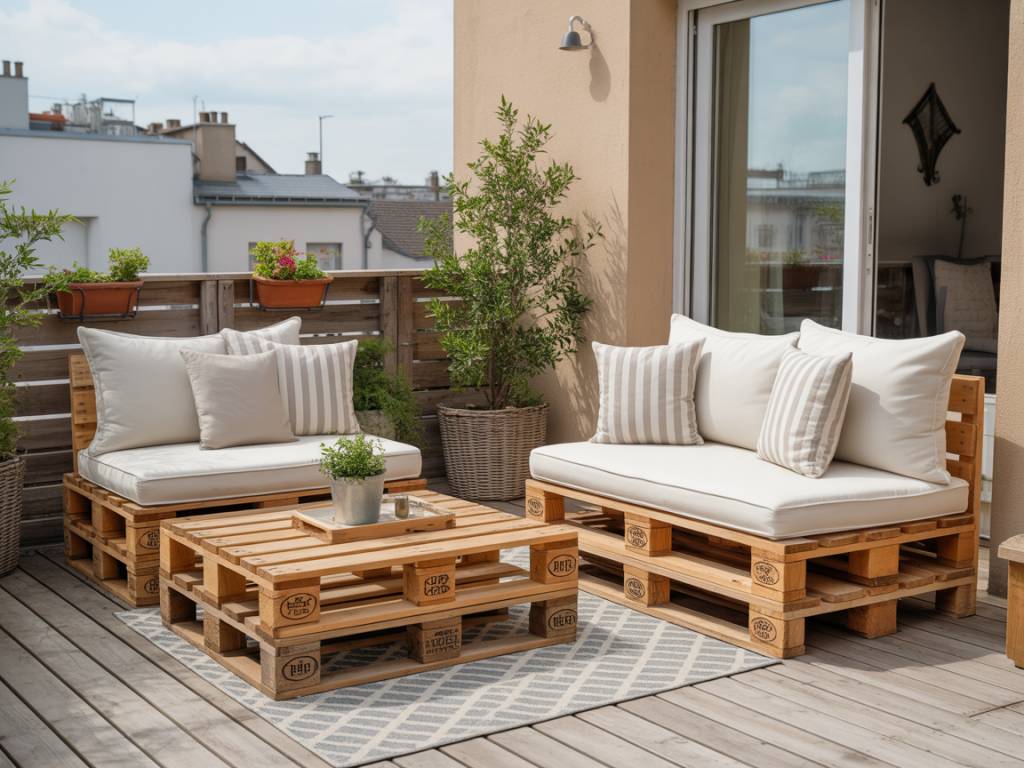
Why Upcycling Wooden Pallets Is Ideal for Small Balconies
For city dwellers and small-space homeowners, the balcony often becomes a catch-all storage area instead of a relaxing retreat. Upcycling wooden pallets into outdoor furniture offers a practical and stylish way to reclaim this space. Pallets are widely available, usually inexpensive or even free, and their modular structure makes them perfectly suited to compact layouts.
Unlike bulky, ready-made garden sets, upcycled pallet furniture can be tailored to the dimensions of your balcony, ensuring that every square centimeter is used efficiently. The raw, textural quality of reclaimed wood also adds warmth and character, creating a natural counterpoint to the concrete, glass and metal typical of urban environments.
Choosing the Right Wooden Pallets for Outdoor Furniture
Not all pallets are created equal. When you are turning wooden pallets into outdoor furniture for a small balcony, safety, durability and cleanliness matter as much as aesthetics.
Consider these factors when selecting pallets:
- Stamping and treatment codes: Look for pallets marked with “HT” (heat treated) rather than “MB” (methyl bromide), which indicates chemical treatment. Heat-treated pallets are safer for home use.
- Condition of the wood: Avoid pallets with deep cracks, rot, mold or signs of insect damage. Solid boards will be easier to sand smooth and finish.
- Cleanliness: Steer clear of pallets that have come into contact with unknown liquids, oil, or industrial materials. Dark stains or strong odors are warning signs.
- Size and uniformity: For small balconies, choosing pallets of similar dimensions simplifies stacking and aligning them into functional furniture.
Many local shops, small warehouses or supermarkets are willing to give away surplus pallets, especially if they are not part of a return scheme. Always ask for permission before taking any.
Planning Small Balcony Layouts with Pallet Furniture
Before you start cutting or assembling anything, observe your balcony: its dimensions, sunlight exposure, and how you realistically want to use it. Upcycling wooden pallets into outdoor furniture works best when every piece has a clear function in the overall layout.
Think about these use cases for a small balcony:
- Relaxation nook: A low pallet sofa with deep cushions for reading or lounging.
- Compact dining area: A slim pallet bench with a narrow table fixed to the railing.
- Vertical garden: A pallet turned upright to support plants, freeing floor space.
- Storage solution: A pallet box or bench with hidden storage for tools, cushions or shoes.
Sketch a simple floor plan and mark doors, railings and any constraints. For very small balconies, combining seating and storage in a single pallet unit will be more functional than separate pieces.
Basic Tools and Materials for Upcycling Wooden Pallets
Transforming a pallet into stylish balcony furniture does not require an advanced workshop, but a few basic tools and materials will make the process far easier and safer.
- Hand tools: Hammer, pry bar or crowbar, handsaw or jigsaw, measuring tape, sanding block.
- Power tools (optional but helpful): Electric sander, drill/driver with screwdriver bits, circular saw.
- Fasteners and hardware: Outdoor screws, corner brackets, L-brackets, hinges (for storage benches), caster wheels (for mobile units).
- Finishes: Exterior wood stain, outdoor varnish or paint, wood primer, wood filler for imperfections.
- Comfort items: Weather-resistant cushions, foam pads, outdoor fabrics, non-slip felt pads for the underside.
Investing in quality screws and exterior-grade finishes will significantly extend the life of your upcycled furniture, especially in climates with strong sun or frequent rain.
Preparing and Treating Pallets for Outdoor Use
Proper preparation is essential when you upcycle wooden pallets into outdoor furniture that will sit on a small balcony, often exposed to the elements.
Follow these steps:
- Disassembly (if needed): If your design requires individual boards, carefully remove them using a pry bar and hammer. For some projects, you can keep the pallet mostly intact.
- Cleaning: Scrub the pallet with a stiff brush, warm water and mild soap. Rinse thoroughly and let it dry completely, ideally in a well-ventilated space.
- Sanding: Sand all surfaces to remove splinters and rough patches. For balcony furniture, pay special attention to armrests, seat edges and any areas that will touch skin or textiles.
- Repairs: Fill cracks or holes with wood filler, replace broken boards, and tighten or replace any weak joints.
- Sealing and finishing: Apply a primer if you plan to paint, or a penetrating exterior stain if you prefer a natural wood look. Finish with a weather-resistant topcoat to protect against moisture and UV rays.
Taking time with these steps not only improves comfort and aesthetics but also ensures your upcycled pallet furniture remains safe and functional for several seasons.
Upcycling Pallets into a Compact Outdoor Sofa for Small Balconies
A pallet sofa is often the centerpiece of small balcony decor. It can be customized in length, depth and height, adapting to narrow or irregular spaces.
To build a basic pallet outdoor sofa:
- Stacking the base: Use one or two pallets side by side for the seat. If you want more height, stack a second layer and secure the pallets together with long screws.
- Creating the backrest: Attach a pallet vertically to the back of the base, using L-brackets and screws at several points. For very narrow balconies, you can cut the pallet to reduce the depth of the backrest.
- Stabilizing against the wall: If the sofa sits against a solid wall, you can anchor the back pallet for extra stability, especially in windy areas.
- Adding cushions: Use made-to-measure foam pads with outdoor covers, or repurpose old mattresses cut to size. Thick cushions transform the rigid pallet structure into a comfortable lounge seat.
- Finishing touches: Add side tables made from smaller pallet sections or leftover boards, ensuring they do not obstruct balcony doors or circulation.
Pallet sofas for small balconies have a relaxed, low-profile look that complements plants, lanterns and textiles, helping to turn a simple outdoor space into an inviting mini-lounge.
Transforming Wooden Pallets into Space-Saving Coffee Tables and Side Tables
Tables are essential but can quickly overwhelm a small balcony. Upcycling wooden pallets into compact coffee tables or side tables offers useful surfaces without sacrificing mobility or space.
Popular options include:
- Low pallet coffee table: Use a single pallet as the tabletop. Add caster wheels to the four corners for easy movement, and place a glass or polycarbonate sheet on top for a smooth, wipeable surface.
- Nested side tables: Cut pallet boards to create two or three small tables that slide under each other. This design maximizes flexibility for entertaining or working outdoors.
- Foldable balcony table: Fix a narrow pallet-derived tabletop to the railing with hinges and a simple bracket. It can fold down when not in use, freeing precious floor space.
Using the natural gaps between pallet boards can be practical: they can hold magazines, small trays or even plant pots, enhancing the multifunctional character of your balcony furniture.
Creating Vertical Gardens and Storage with Upcycled Pallets
Balconies often lack storage and planting surfaces. A vertical approach allows you to add greenery and organization without crowding the floor. Upcycling wooden pallets into vertical gardens or storage racks is particularly efficient.
For a pallet vertical garden:
- Stand a pallet upright against a wall or railing and secure it with brackets or heavy-duty cable ties.
- Line the back and gaps between boards with landscape fabric, stapling it in place to create pockets.
- Fill the pockets with potting soil and plant herbs, trailing flowers or compact succulents.
- Seal the wood beforehand to protect it from moisture from watering.
For storage-focused designs:
- Mount a pallet flat against the wall to create hooks and shelves for tools, watering cans or lanterns.
- Add small wooden crates or boxes to the lower part to store cushions or gardening supplies.
- Use S-hooks on the slats to hang mugs, baskets or lightweight accessories.
These vertical structures keep essential items within reach while preserving a feeling of openness on a small balcony.
Styling Upcycled Wooden Pallet Furniture for a Cohesive Balcony Look
The charm of upcycled pallet furniture lies in its raw texture, but thoughtful styling can bridge the gap between rustic and refined, making your small balcony feel intentional rather than improvised.
Consider these styling ideas:
- Color palette: Choose one dominant shade (such as white, charcoal or a natural wood tone) and two accent colors for cushions and accessories. This keeps the space visually unified.
- Textiles: Layer outdoor rugs, seat cushions and throws to soften the angular shapes of pallet furniture. Opt for weather-resistant fabrics that can be removed and washed.
- Lighting: String lights, solar lanterns or small LED candles add depth and ambiance, highlighting the grain and texture of the reclaimed wood.
- Plants: Combine tall plants in corner pots with trailing varieties on shelves or vertical pallets to frame the seating area and create a sense of privacy.
- Accessories: Trays, small ceramics and metal planters introduce contrast and practicality, making it easy to carry drinks or snacks in and out.
By repeating materials and colors—perhaps black metal, light wood and green foliage—you can achieve a balanced, cohesive style that elevates the humble pallet beyond its industrial origins.
Maintenance Tips for Long-Lasting Pallet Balcony Furniture
Even the best upcycled wooden pallet furniture needs regular care, particularly on uncovered balconies exposed to rain and sun. Basic maintenance extends the life of your creations and keeps them safe to use.
- Seasonal inspection: At least twice a year, check for loose screws, new splinters, warping or any signs of mildew.
- Cleaning routine: Wipe down surfaces with mild soapy water and allow them to dry thoroughly. Remove leaves and dirt from any gaps that could trap moisture.
- Reapplying finishes: Refresh stain or varnish as recommended by the manufacturer, particularly on horizontal surfaces like seats and tabletops that receive more wear.
- Protective covers: If possible, use breathable covers or store cushions indoors when not in use to prevent mold and fading.
- Raising furniture: Add rubber feet or small blocks to keep wood slightly elevated from the balcony floor, reducing direct contact with standing water.
With these straightforward practices, upcycled pallet furniture can serve your small balcony for years, combining sustainability with everyday comfort.